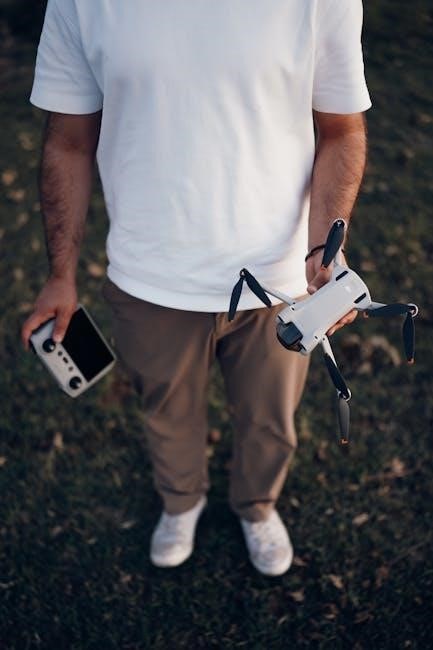
Tello Drone Manual: A Comprehensive Guide (Updated 04/15/2026)
This manual provides essential guidance for the 964TELLOTT Robomaster TT Tello Talent drone‚ covering software downloads‚ safety‚ and operational instructions for optimal use.
Welcome to the world of drone flight with the Tello! This compact and affordable drone‚ developed in collaboration with Ryze Tech‚ offers an accessible entry point into aerial photography and programmable flight.
The Tello isn’t just a toy; it’s a powerful educational tool‚ particularly with the Tello EDU variant‚ enabling coding exploration through platforms like Scratch. This manual serves as your comprehensive guide‚ detailing everything from initial setup and safe operation to advanced features and troubleshooting.
Whether you’re a beginner or an experienced enthusiast‚ this resource will empower you to unlock the full potential of your Tello drone. We’ll cover essential aspects‚ ensuring a safe and enjoyable flying experience.
What is the Tello Drone?
The Tello drone‚ identified as model 964TELLOTT‚ is an innovative educational and recreational drone designed for users of all skill levels. It’s a product of collaboration between DJI and Ryze Tech‚ blending accessibility with robust features.
Often referred to as the “Tello Talent” or “Robomaster TT” in certain educational contexts‚ this drone distinguishes itself through its compact size‚ lightweight design‚ and user-friendly interface. It’s equipped with a 5MP camera‚ capable of capturing photos and videos during flight.
Beyond recreational use‚ the Tello serves as a fantastic platform for learning to code‚ particularly with the Tello EDU version‚ making it ideal for STEM education initiatives. It’s a versatile drone offering a unique blend of fun and learning.
Key Features and Specifications
The DJI Tello drone (964TELLOTT) boasts a range of impressive features. It’s equipped with a 5MP camera for capturing aerial photos and videos‚ offering a unique perspective. Its compact and lightweight design ensures portability and ease of use.
Key specifications include intelligent flight modes like 8D Flips and Go Mode‚ enhancing the flying experience. The drone connects seamlessly with a dedicated mobile app for intuitive control and access to various settings.
Furthermore‚ the Tello supports programmable features through the Tello EDU and SDK‚ making it a valuable tool for coding education. Battery life provides approximately 13 minutes of flight time‚ and it utilizes Wi-Fi for communication.
Getting Started with Your Tello
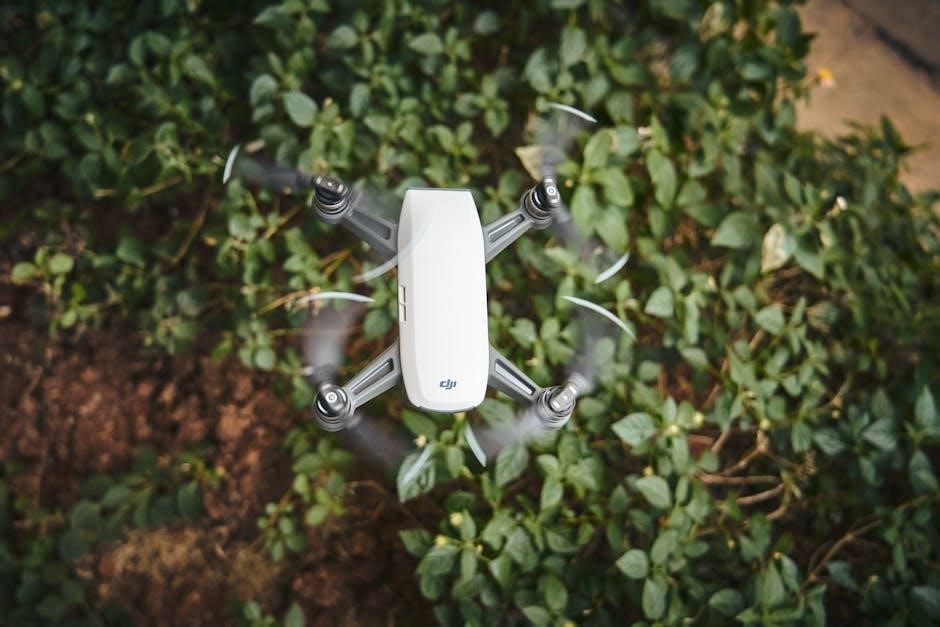
Begin your Tello journey by carefully unpacking all components‚ charging the battery‚ and downloading the essential Tello app for seamless operation and control.
Unboxing and Component Checklist
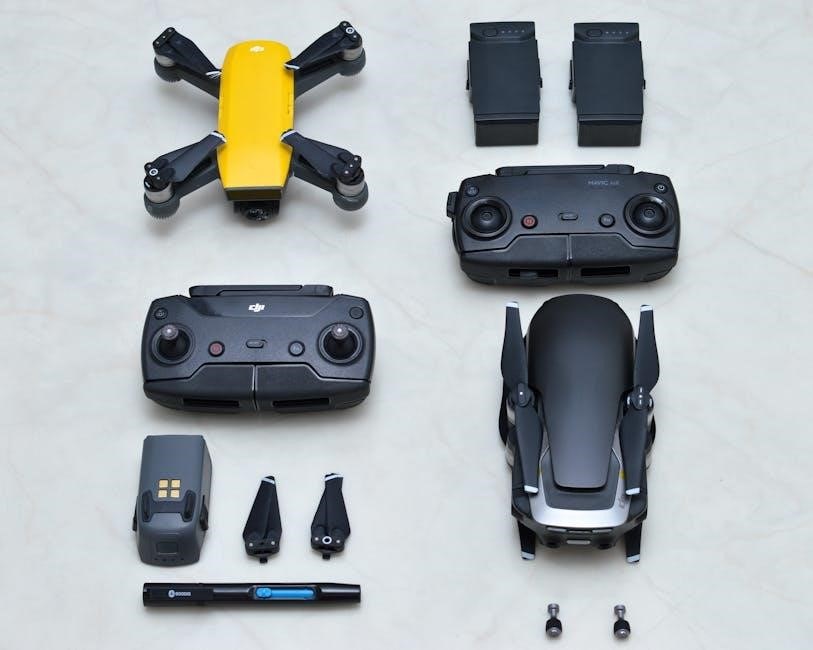
Upon receiving your Tello drone‚ carefully open the packaging and verify all components are present. You should find the Tello drone itself‚ one intelligent flight battery‚ and a set of four propellers (already attached‚ but check for secure fitting).
Additionally‚ the box should contain a micro USB charging cable for powering the battery. Inspect each item for any visible damage sustained during shipping. If anything is missing or appears damaged‚ immediately contact the retailer or DJI support.
Familiarize yourself with each part before proceeding. Proper component verification ensures a smooth and safe initial setup‚ maximizing your flying experience from the start.
Charging the Tello Battery
Before your first flight‚ fully charge the Tello’s intelligent flight battery. Connect the included micro USB cable to the battery and a suitable USB power source – a wall adapter or computer USB port will work.
The battery features LED indicators to display charging status: a solid red light indicates charging is in progress‚ while a solid green light signifies a full charge. Charging typically takes approximately 90 minutes.
Avoid using high-output chargers‚ as they may damage the battery. Always disconnect the battery once fully charged to prolong its lifespan. Never leave a charging battery unattended.
Downloading and Installing the Tello App
To unlock the Tello’s full potential‚ download and install the official “Tello” app on your smartphone or tablet. The app is available for both iOS (Apple App Store) and Android (Google Play Store).
Search for “Tello” within your respective app store and select the app developed by DJI. Once downloaded‚ open the app and follow the on-screen instructions to create an account or log in.
Ensure your device’s Bluetooth is enabled during the setup process‚ as the app uses Bluetooth to connect to the drone. Grant all necessary permissions requested by the app for optimal functionality.
Tello App Interface & Navigation
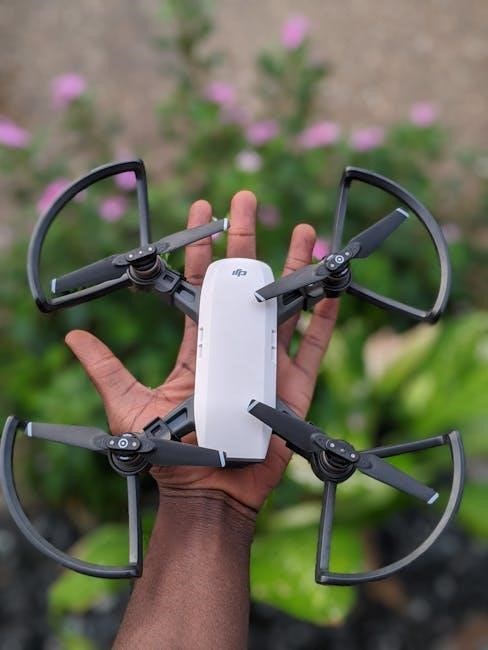
The Tello app offers an intuitive interface for controlling flight‚ adjusting camera settings‚ and accessing intelligent flight modes for a seamless experience.
Main Screen Overview
The Tello app’s main screen presents a live video feed from the drone’s camera‚ providing a first-person view of your flight.
Essential flight information is prominently displayed‚ including battery level‚ flight time‚ signal strength‚ and altitude.
You’ll find quick access buttons for taking photos and recording videos directly within this view;
The screen also features icons for accessing settings‚ intelligent flight modes‚ and the album where your captured media is stored.
A mini-map displays the drone’s current location and orientation‚ aiding in navigation.
Understanding these elements is crucial for safe and informed operation‚ allowing you to monitor the drone’s status and control its functions effectively.
Flight Controls Explained
The Tello app utilizes intuitive on-screen controls for precise flight management. Virtual joysticks govern the drone’s movement – left stick controls altitude and rotation‚ while the right stick manages forward/backward and left/right motion.
Sliders adjust flight speed‚ offering control for both beginners and experienced pilots.
Dedicated buttons initiate automated actions like takeoff and landing.
The app also supports gesture controls‚ allowing for hands-free operation.
Familiarizing yourself with these controls is vital for mastering the Tello’s maneuverability and ensuring a smooth‚ controlled flying experience. Practice in an open space is highly recommended.
Camera Settings and Adjustments
The Tello drone’s camera settings are easily accessible through the Tello app interface. Users can adjust resolution‚ choosing between various options to balance image quality and storage space. Frame rate settings allow for selection between standard and higher refresh rates for smoother video recording.
Exposure compensation controls image brightness‚ while white balance adjusts color temperature for accurate representation.
The app also offers options for enabling gridlines and adjusting image sharpness. Experimenting with these settings allows users to optimize image and video capture for diverse lighting conditions and creative preferences.
Flying the Tello Drone
Before each flight‚ prioritize safety checks and procedures. Master takeoff‚ landing‚ and basic maneuvers‚ then explore intelligent flight modes for enhanced control.
Pre-Flight Checklist & Safety Procedures
Prior to every flight‚ a thorough pre-flight check is crucial for safe operation. Ensure the Tello battery is fully charged and securely installed. Inspect all propellers for any cracks or damage‚ replacing them if necessary. Confirm the flight area is clear of obstacles‚ people‚ and animals – a wide-open space is ideal.
Always adhere to local regulations and guidelines regarding drone flight. Avoid flying near airports‚ restricted airspace‚ or densely populated areas. Be mindful of weather conditions; do not fly in rain‚ strong winds‚ or fog. Familiarize yourself with the Tello app’s safety features and emergency procedures. Remember‚ responsible flying ensures both your safety and the safety of others.
Taking Off and Landing
Initiating flight is simple with the Tello. Within the app‚ ensure a strong Wi-Fi connection and calibrate the drone if prompted. To take off‚ use the dedicated “Take Off” button; the propellers will engage‚ and the drone will ascend. Maintain a safe distance and observe the drone’s stability.
Landing is equally straightforward. Utilize the “Land” button within the app‚ and the Tello will automatically descend and settle. Avoid landing on uneven or obstructed surfaces. For emergency landings‚ a quick tap of the landing button initiates a controlled descent. Always power off the drone after landing to conserve battery life and prevent accidental activation.
Basic Flight Maneuvers (Forward‚ Backward‚ Left‚ Right)
Mastering directional control is key to Tello flight. Use the on-screen joystick within the Tello app to navigate. Gently push forward on the left joystick to move forward‚ backward for reverse flight.
Steering is intuitive: Push left on the joystick to drift left‚ and right to move right. Practice smooth‚ controlled movements to avoid abrupt turns. Be mindful of your surroundings and maintain visual contact with the drone. The app displays flight direction indicators for enhanced awareness. Experiment with varying joystick pressure for different speeds.
Using Intelligent Flight Modes
The Tello drone offers several automated flight modes enhancing the flying experience. 8D Flips allow for acrobatic maneuvers with a simple tap – ensure ample space! Go Mode enables distance-based flight; set a desired distance‚ and the Tello will fly accordingly‚ maintaining a stable position.
The Return to Home (RTH) function is a crucial safety feature. Activate RTH‚ and the drone will automatically return to its takeoff point. Always verify the RTH altitude is higher than surrounding obstacles. These modes simplify complex maneuvers and provide added safety during flight.
8D Flips
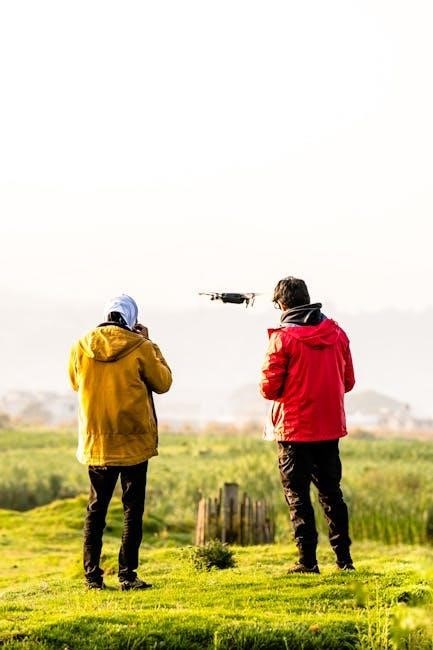
The 8D Flips mode allows the Tello drone to perform a variety of acrobatic flips in eight different directions. Initiating a flip is simple – within the Tello app‚ swipe upwards on the screen while in flight mode. However‚ safety is paramount! Ensure you have a clear‚ open space free from obstacles‚ people‚ and animals.
Maintain a sufficient altitude – at least 2 meters (6.5 feet) – to allow for safe flip execution. Be aware that flips consume battery power more quickly. Practice in an open area to become comfortable with the control and responsiveness of the drone during these maneuvers.
Go Mode (Distance Control)
Go Mode enables precise distance control for the Tello drone‚ allowing for controlled forward flight over specified distances. Within the Tello app‚ simply input the desired flight distance in meters or feet. The drone will then autonomously fly forward the designated amount‚ maintaining a consistent altitude.
This feature is ideal for creating smooth‚ cinematic shots or for precise positioning. Always ensure a clear flight path‚ free of obstructions‚ before activating Go Mode. Be mindful of the surrounding environment and potential obstacles. Practice in an open space to gain confidence with distance estimations.
Return to Home Function
The Return to Home (RTH) function is a crucial safety feature of the Tello drone. Activated via the app‚ RTH instructs the drone to automatically return to its takeoff point and land. This is invaluable if you lose sight of the drone or encounter connectivity issues.
Before initiating RTH‚ ensure the home point is accurately set – typically‚ this occurs automatically upon takeoff. Clear obstacles from the drone’s flight path to prevent collisions during the return. Be aware that RTH relies on GPS signal strength; performance may vary in areas with poor reception. Regularly calibrate the drone for optimal RTH accuracy.
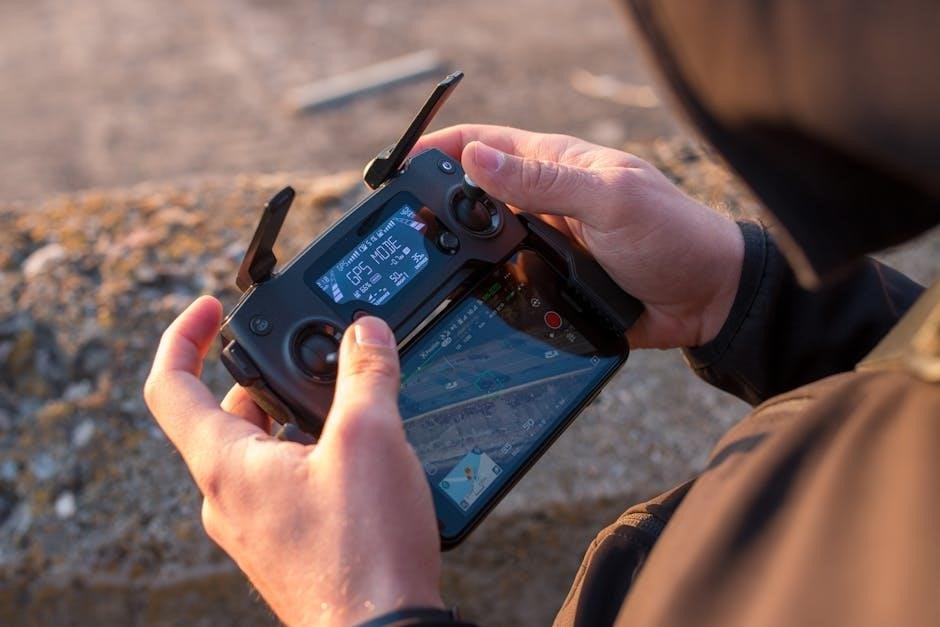
Tello Camera & Photography
Explore the Tello’s 5MP camera capabilities‚ learning about resolution settings‚ video recording options‚ and efficient methods for downloading and sharing your captured media;
Understanding Camera Settings (Resolution‚ Frame Rate)
The Tello drone’s camera offers adjustable settings to optimize image and video quality. Resolution dictates the detail captured; higher resolutions like 1080p provide sharper images‚ but require more storage space. Lower resolutions are suitable for quick sharing and conserve battery life.
Frame rate (FPS) determines the smoothness of video. A standard frame rate is 30 FPS‚ ideal for general use. Higher frame rates‚ such as 60 FPS‚ create smoother motion‚ particularly useful for capturing fast-paced action. Experimenting with these settings allows you to balance image quality‚ file size‚ and battery consumption to suit your specific needs and shooting conditions. Understanding these parameters is crucial for achieving professional-looking results.
Taking Photos and Recording Videos
Capturing stunning visuals with your Tello is straightforward through the Tello app. To take a photo‚ simply tap the designated photo icon on the screen. For video recording‚ press and hold the video recording button; release to stop. The app displays a live preview of the camera’s view‚ ensuring proper framing.
Remember to consider lighting conditions and camera settings (resolution‚ frame rate) for optimal results. The Tello automatically saves captured media to your smartphone’s gallery. Regularly check available storage space to avoid interruptions during recording. Explore different angles and perspectives to unleash your creativity and document memorable moments from a unique aerial viewpoint.
Downloading and Sharing Media
After capturing photos and videos with your Tello‚ accessing and sharing them is seamless. The Tello app automatically saves all media directly to your smartphone’s gallery. From there‚ you can easily browse‚ review‚ and select the content you wish to share.
Utilize your phone’s native sharing options to post directly to social media platforms like Facebook‚ Instagram‚ or YouTube. Alternatively‚ you can transfer files to a computer via USB cable or cloud storage services. Ensure sufficient storage space on your device before downloading large video files. Enjoy showcasing your aerial perspectives with friends and family!
Maintenance and Troubleshooting
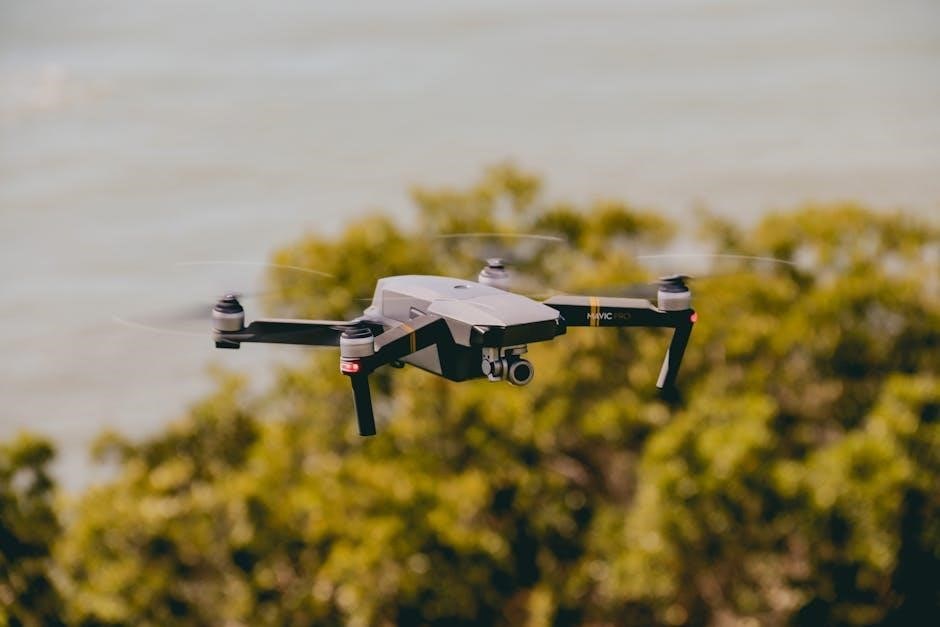
Regular care‚ like battery checks and propeller replacements‚ ensures optimal performance. Addressing common issues—connection problems‚ drifting‚ or camera malfunctions—is crucial for longevity.
Battery Care and Replacement
Maintaining your Tello’s battery is vital for extended flight times and overall drone health. Always fully charge the battery before its initial use and after each flight session. Avoid overcharging‚ as this can degrade battery performance over time.
Store the battery in a cool‚ dry place‚ away from direct sunlight and extreme temperatures. When not in use for extended periods‚ discharge the battery to approximately 50% to prevent damage.
If you notice a significant decrease in flight time or the battery is no longer holding a charge‚ it may be time for a replacement; Only use official DJI Tello batteries or certified compatible alternatives to ensure safety and performance. Improper battery handling can pose a safety risk.
Propeller Replacement
Propellers are consumable components and may require replacement due to damage or wear. Regularly inspect your Tello’s propellers for cracks‚ bends‚ or any signs of deformation before each flight. Damaged propellers can affect flight stability and safety.
To replace a propeller‚ power off the drone and gently remove the damaged one. Note that Tello propellers are marked with letters (A or B) indicating their correct mounting position.
Ensure you install the new propeller in the corresponding location‚ matching the letter markings. Securely tighten the propeller‚ but avoid over-tightening‚ which could damage the motor. Always replace propellers in pairs to maintain balanced flight performance.
Troubleshooting Common Issues
Encountering issues? This section addresses frequent problems with your Tello drone. If your drone won’t connect to the app‚ ensure Wi-Fi is enabled on your mobile device and that you’re connecting to the Tello’s network. Restart both the drone and your device.
If the drone drifts during flight‚ calibrate the IMU (Inertial Measurement Unit) following the app’s instructions. Check propellers for damage and ensure they are correctly installed.
For camera issues‚ verify sufficient storage space on your device and restart the Tello app. If problems persist‚ consult the DJI support resources for further assistance and potential firmware updates.
Drone Won’t Connect to App
Experiencing connection difficulties? First‚ confirm that Wi-Fi is activated on your smartphone or tablet. Crucially‚ you must connect directly to the Tello drone’s Wi-Fi network – it won’t work through your home internet; Ensure you’ve selected the correct Tello network from your device’s Wi-Fi settings.
If the connection still fails‚ try restarting both the Tello drone and your mobile device. Close and reopen the Tello app. Verify that no other devices are attempting to connect to the drone simultaneously. A stable connection is vital for safe and enjoyable flight.
Drone Drifts During Flight
Is your Tello unexpectedly drifting? This often indicates a calibration issue. Before each flight‚ perform a proper calibration by placing the drone on a perfectly level surface and following the in-app calibration procedure. Ensure there are no strong winds or air currents affecting the drone during calibration.
Persistent drifting can also be caused by damaged propellers or uneven propeller installation. Inspect the propellers for any cracks or bends‚ and ensure they are securely attached and correctly oriented. Replacing damaged propellers is recommended for stable flight performance.
Camera Issues
Experiencing problems with your Tello’s camera? First‚ ensure the camera lens is clean and free of any obstructions like fingerprints or dust. Restarting the Tello and the Tello app can often resolve temporary software glitches affecting camera functionality.
If the camera isn’t recording or displaying an image‚ check the app settings to confirm video recording is enabled and the correct resolution is selected. Firmware updates are crucial; outdated firmware can cause camera malfunctions. Finally‚ verify sufficient storage space is available on your mobile device for photos and videos.
Advanced Tello Features & Programming
Unlock the Tello’s full potential through Tello EDU‚ Scratch programming‚ and the Tello SDK‚ enabling customized flight paths and innovative applications.
Tello EDU and Scratch Programming
Tello EDU opens a world of educational possibilities‚ particularly through integration with Scratch‚ a visual programming language developed by MIT. This allows beginners‚ especially students‚ to learn coding concepts in a fun and engaging way by controlling the drone’s movements and actions.
Users can create programs to execute specific flight patterns‚ respond to sensor data‚ and even develop autonomous behaviors. The drag-and-drop interface of Scratch simplifies the coding process‚ making it accessible to individuals with no prior programming experience.
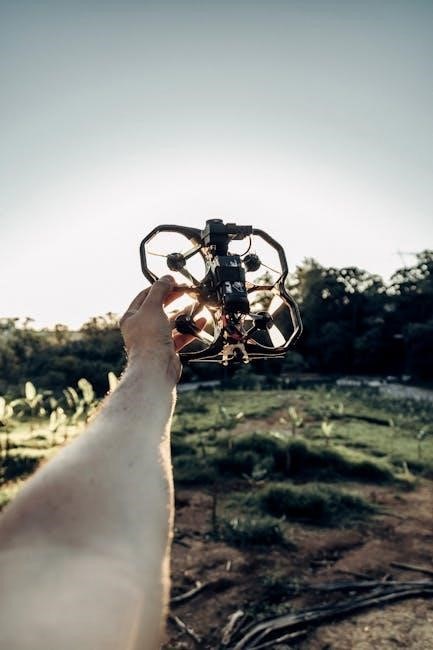
Tello EDU provides pre-designed lessons and challenges to guide learners through the fundamentals of drone programming‚ fostering creativity and problem-solving skills. It’s a fantastic tool for STEM education and exploring robotics.
Using the Tello SDK
The Tello Software Development Kit (SDK) empowers advanced users to unlock the drone’s full potential through custom application development. This allows for creating tailored solutions beyond the capabilities of the standard Tello app‚ offering greater control and functionality.
Developers can utilize the SDK to build applications for various purposes‚ including automated flight routines‚ data collection‚ and integration with other systems. Supported programming languages typically include Python‚ enabling a wide range of possibilities.
Accessing the SDK requires programming knowledge and a development environment. It provides APIs for controlling the drone’s flight‚ accessing camera data‚ and interacting with its sensors‚ opening doors to innovative projects and research.
Firmware Updates and Maintenance
Regular firmware updates are crucial for maintaining optimal Tello performance‚ stability‚ and security. DJI periodically releases updates that address bug fixes‚ enhance features‚ and improve flight safety. These updates are typically delivered through the Tello app.
Always ensure your drone is sufficiently charged and connected to a stable Wi-Fi network before initiating an update. Interrupting the update process can potentially damage the drone’s software. Follow the on-screen instructions carefully during the update procedure.
Beyond firmware‚ routine maintenance – like inspecting propellers and cleaning the drone – contributes to its longevity. Consistent care ensures reliable operation and extends the lifespan of your Tello drone.